Most people think of brushing their teeth as just part of their morning routine — something you do on autopilot before walking out the door. But the science is clear: dental hygiene is one of the single biggest factors in your long-term health and financial well-being. Neglecting your teeth doesn't just lead to cavities. It leads to thousands of dollars in preventable medical bills.
Limited time offer
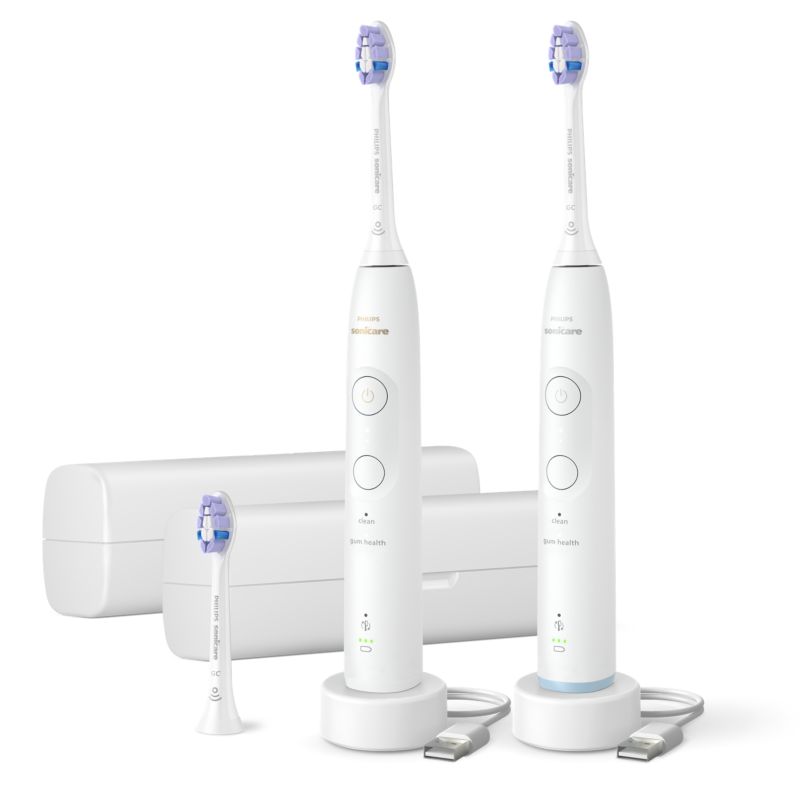
Win a Philips Sonicare Electric Toothbrush, 2-Pack
We've partnered to give you a chance to upgrade your dental routine — free.
Complete a quick survey for a chance to receive a Philips Sonicare Electric Toothbrush 2-pack. Takes 30 seconds.
Start Survey →Free • No purchase necessary • While supplies last
The Real Cost of Poor Dental Hygiene
The numbers are staggering. According to the American Dental Association, the average American spends $1,000–$1,500 per year on dental care. But for those with untreated dental problems, that number balloons fast:
- A single root canal costs $700–$1,500
- A dental crown runs $800–$3,000
- Dental implants to replace a lost tooth: $3,000–$5,000 per tooth
- Gum disease treatment (scaling and root planing): $500–$4,000
- Emergency dental visits: $200–$600 just for the appointment
Compare that to the cost of prevention: a tube of toothpaste ($4), floss ($3), and a decent toothbrush ($5–$40). We're talking about pennies on the dollar compared to what you'll pay if things go wrong.
Your Mouth Is Connected to Everything
Here's what most people don't realize — your oral health directly impacts your overall health. This isn't speculation. It's backed by decades of medical research:
- Heart disease: People with gum disease are 2–3x more likely to have a heart attack or stroke. Bacteria from inflamed gums enters the bloodstream and contributes to arterial plaque buildup.
- Diabetes: Gum disease makes it harder to control blood sugar. Diabetics with periodontal disease have significantly worse outcomes.
- Respiratory infections: Bacteria from the mouth can be inhaled into the lungs, leading to pneumonia and other respiratory infections — especially dangerous for seniors.
- Pregnancy complications: Pregnant women with gum disease are 7x more likely to deliver prematurely or have low birth weight babies.
- Alzheimer's: Recent studies found the bacteria that causes gum disease (P. gingivalis) in the brains of Alzheimer's patients.
Ignoring your teeth isn't just a dental problem. It's a whole-body problem.
The Facts About Brushing
You've been told to brush twice a day since you were five. But are you actually doing it right?
- 2 minutes minimum — most people brush for about 45 seconds. That's not enough. Set a timer.
- Soft bristles only — medium and hard bristles damage enamel and irritate gums over time.
- Replace every 3 months — frayed bristles don't clean effectively and harbor bacteria.
- Don't brush right after eating — acids from food soften enamel temporarily. Wait 30 minutes.
- Electric beats manual — studies consistently show electric toothbrushes remove 21% more plaque and reduce gum disease by 11% compared to manual brushing.
Flossing: Not Optional
Only 30% of Americans floss daily. That means 70% of people are leaving bacteria between their teeth every single day. Your toothbrush can't reach the tight spaces between teeth — that's roughly 35% of your tooth surface going uncleaned.
Flossing once a day reduces your risk of gum disease by up to 40%. It takes 60 seconds. There is no excuse.
Prevention vs. Treatment: The Math
Let's break this down over 10 years:
Prevention path:
- Toothpaste, floss, mouthwash: ~$150/year
- Good electric toothbrush: $40–$80 (lasts years)
- Two dental cleanings/year: ~$200–$400
- 10-year total: $3,500–$5,500
Neglect path:
- 2–3 fillings: $450–$1,500
- 1 root canal + crown: $1,500–$4,500
- Gum disease treatment: $1,000–$4,000
- 1 extraction + implant: $3,000–$5,000
- Emergency visits: $500–$1,800
- 10-year total: $6,500–$16,800+
That's potentially $10,000+ in savings just from brushing properly, flossing daily, and seeing your dentist twice a year.
Upgrade Your Routine
If you're still using a manual toothbrush, you're leaving plaque on the table. Electric toothbrushes with sonic technology — like the Philips Sonicare — deliver up to 31,000 brush strokes per minute compared to about 300 with a manual brush. The difference in cleaning power isn't even close.
They also have built-in timers so you actually brush for the full two minutes, pressure sensors to protect your gums, and multiple cleaning modes for different needs.
We've partnered to give our readers a chance to win a Philips Sonicare Electric Toothbrush, 2-pack — one for you and one for someone in your household. All you have to do is complete a quick survey.
Limited time offer
Win a Philips Sonicare Electric Toothbrush, 2-Pack
We've partnered to give you a chance to upgrade your dental routine — free.
Complete a quick survey for a chance to receive a Philips Sonicare Electric Toothbrush 2-pack. Takes 30 seconds.
Start Survey →Free • No purchase necessary • While supplies last